SharePlusSharePlus
More ▼

Tag: Rabbi Moshe Berliner

Constructive Communication with Children: A Guide by Rabbi Berliner
jewishfamily

Constructive Communication with Children: A Guide by Rabbi Berliner

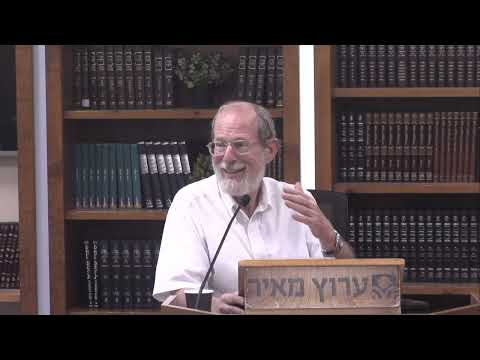
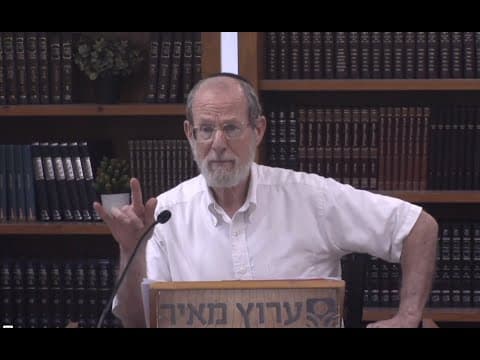
Rabbi Moshe Berliner discusses techniques for constructive dialogue with children who perceive situations in rigid, black-and-white terms. This session is part of a series focused on mental and emotional well-being. The content is produced by the Meir Institute in Jerusalem, offering educational insights rooted in Jewish tradition and psychological guidance.

Living with Grandparents During Wartime: Mental Maintenance
Healthmental

Living with Grandparents During Wartime: Mental Maintenance

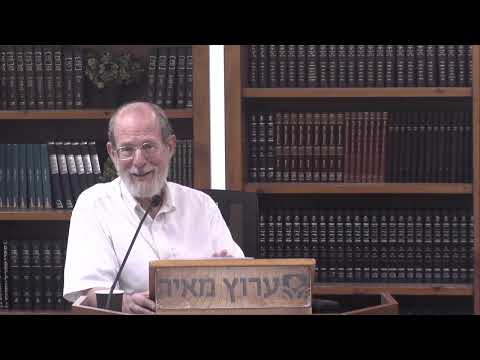
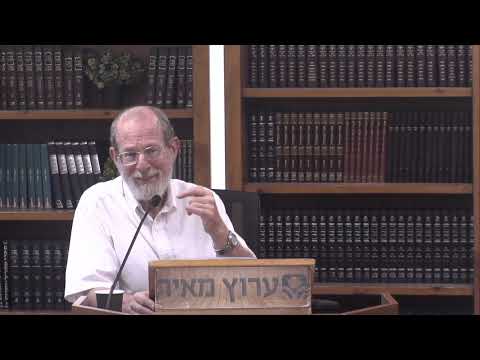
Rabbi Moshe Berliner discusses the challenges and potential benefits of multi-generational living during wartime. He emphasizes that while the situation is difficult, proper preparation can help families maximize the experience. The content serves as a guide for maintaining mental well-being during complex and stressful times, specifically addressing families who may be relocating to live with grandparents.

Why Do We Have Emotions? Rabbi Moshe Berliner
jewishemuna

Why Do We Have Emotions? Rabbi Moshe Berliner

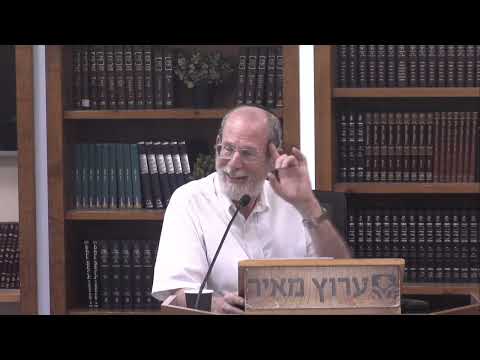
This video features a lecture by Rabbi Moshe Berliner on emotional maintenance during complex times, exploring why humans have emotions and their purposes. The content was filmed at Machon Meir in Jerusalem and published by Arutz Meir. Viewers are provided with links to support Machon Meir through donations, listen to Arutz Meir on Spotify, and watch additional Torah classes online. No further details are available in the provided text.

Helping Children Cope with Difficult News | Rabbi Moshe Berliner
jewishfamily

Helping Children Cope with Difficult News | Rabbi Moshe Berliner

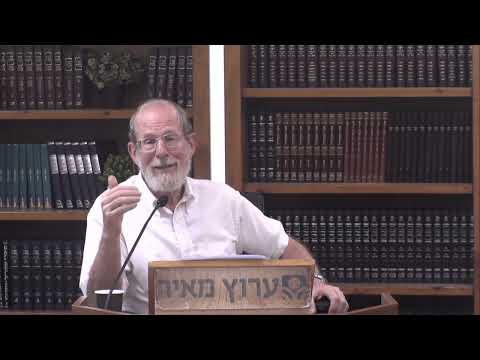
This video features Rabbi Moshe Berliner discussing how to help children cope with an overload of difficult news and information from online sources. The lesson is part of a series addressing the soul during complex times. The recording took place at the Machon Meir institution in Jerusalem. Additional links are provided for donations, podcasts, and further study.