SharePlusSharePlus
More ▼

Tag: Rabbi Eyal Vered

Wrapped in Mercy: The Flood as a New Birth - Parashat Noach
jewishparasha

Wrapped in Mercy: The Flood as a New Birth - Parashat Noach

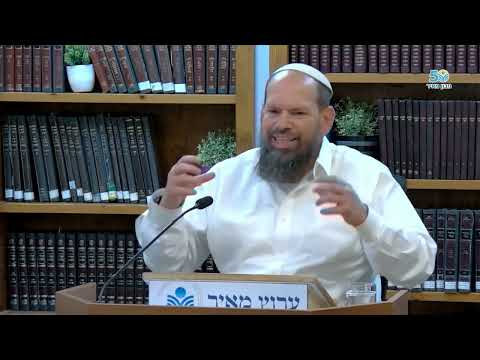
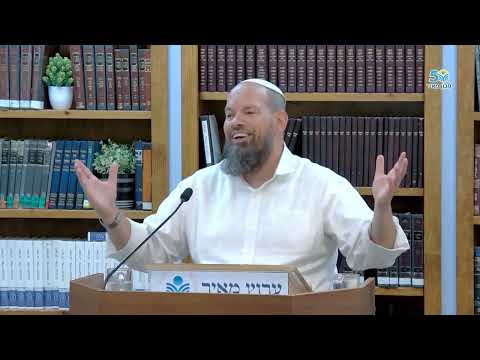
Rabbi Eyal Vered explores the spiritual significance of the story of Noah and the Great Flood. The lesson focuses on interpreting the deluge not merely as destruction, but as a process of rebirth and divine mercy. This lecture, recorded at the Meir Institute in Jerusalem, provides a deep dive into the Torah portion of Noach. It examines themes of renewal and the transformative nature of the flood narrative.
The Satisfaction and Fragrance of Noah | Shem MiShmuel on Parashat Noah
jewishparasha

The Satisfaction and Fragrance of Noah | Shem MiShmuel on Parashat Noah

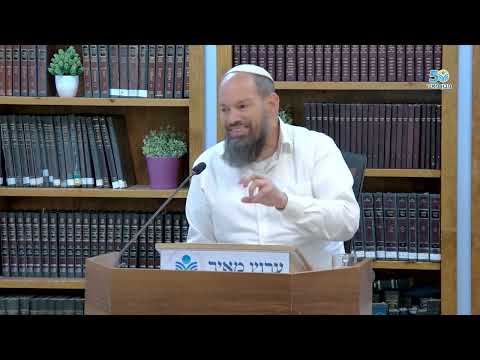
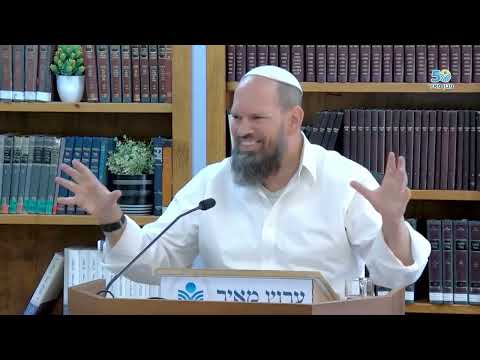
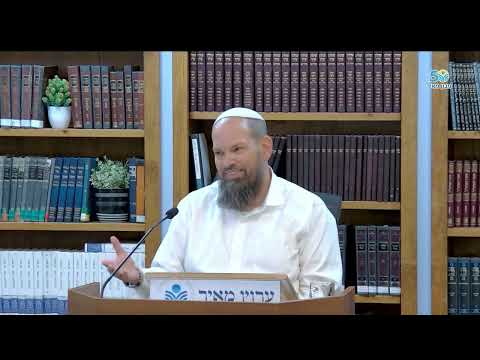
This video features Rabbi Eyal Vered delivering a Torah lesson on Parashat Noah, specifically focusing on the 'Shem MiShmuel' commentary. The session was recorded at the Meir Institute in Jerusalem. The content explores spiritual themes related to the biblical figure of Noah, analyzing his character and actions through the lens of traditional Jewish scholarship.

Choosing Wisely: Moral Perspectives on Democracy with Rabbi Eyal Vered
jewishemuna

Choosing Wisely: Moral Perspectives on Democracy with Rabbi Eyal Vered

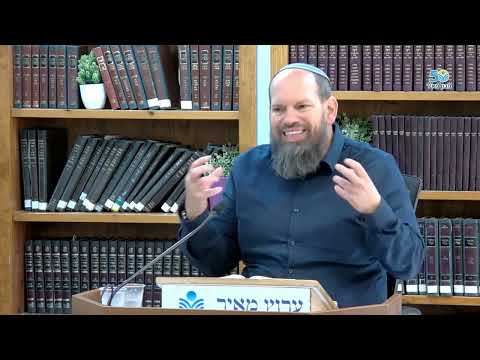
This lecture by Rabbi Eyal Vered, recorded at the Meir Institute in Jerusalem, explores the moral dimensions of the democratic process. It frames the act of voting within a broader ethical and Jewish context. The content serves as an educational resource for viewers seeking to understand the intersection of democratic systems and traditional values during election periods.

Submission, Separation, and Sweetening in Brit Milah and Life
jewishparasha

Submission, Separation, and Sweetening in Brit Milah and Life

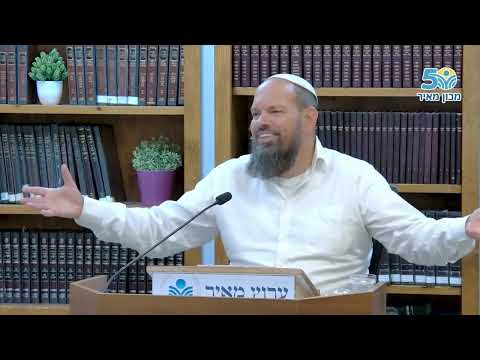
Rabbi Eyal Vered discusses the spiritual concepts of submission, separation, and sweetening in the context of the Torah portion Lech Lecha and the ritual of Brit Milah. The lesson explores how these principles apply to daily life and personal growth. The content is part of the 'Nefesh HaParasha' series produced by the Meir Institute in Jerusalem, focusing on Jewish philosophy and Torah study.