
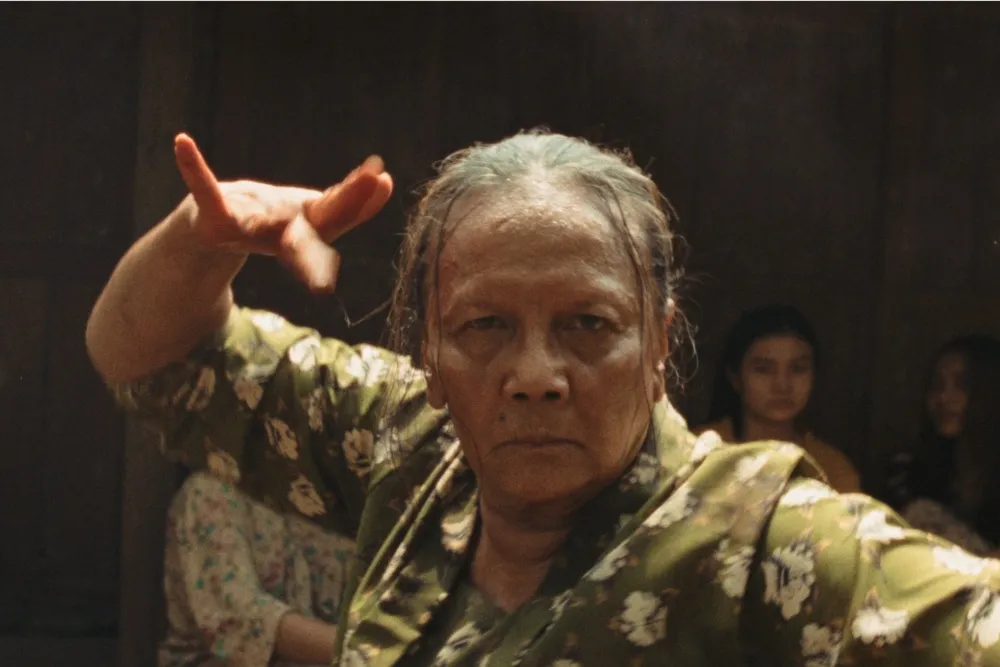
Ibuku Review: A Dreamlike Indonesian Drama of Parental Redemption
🤖 This content was generated and summarized with AI assistance based on the linked source — it is not a substitute for the original or professional advice.
Original source:variety.com
Key Takeaways
- Christine Hakim delivers a masterful performance as a grieving mother.
- The film explores the harsh realities faced by migrant workers.
- Cahyono uses Javanese dance rituals to symbolize spiritual connection.
- The narrative highlights the intersection of poverty and systemic exploitation.
Director Eddie Cahyono’s latest film, Ibuku, offers a poignant look at the strained bond between a mother and her incarcerated daughter. The story follows Sumiati, a widow who grapples with deep-seated regret after her daughter, Sri, is sentenced to death in Saudi Arabia. Through a blend of observational storytelling and spiritual imagery, the film examines the heavy toll of poverty and the cycle of exploitation that forces families apart.
Anchored by a powerful performance from Christine Hakim, the movie utilizes traditional Javanese dance and atmospheric cinematography to convey internal grief. While the narrative occasionally leans into overly literal surrealism, it remains a moving exploration of maternal culpability and the search for forgiveness within a patriarchal society.
Want to go deeper?
Join an interactive study discussion — ask questions, challenge, and explore.
Recommended for you
Tools and services we trust to boost productivity and content workflows.
Browse picks