
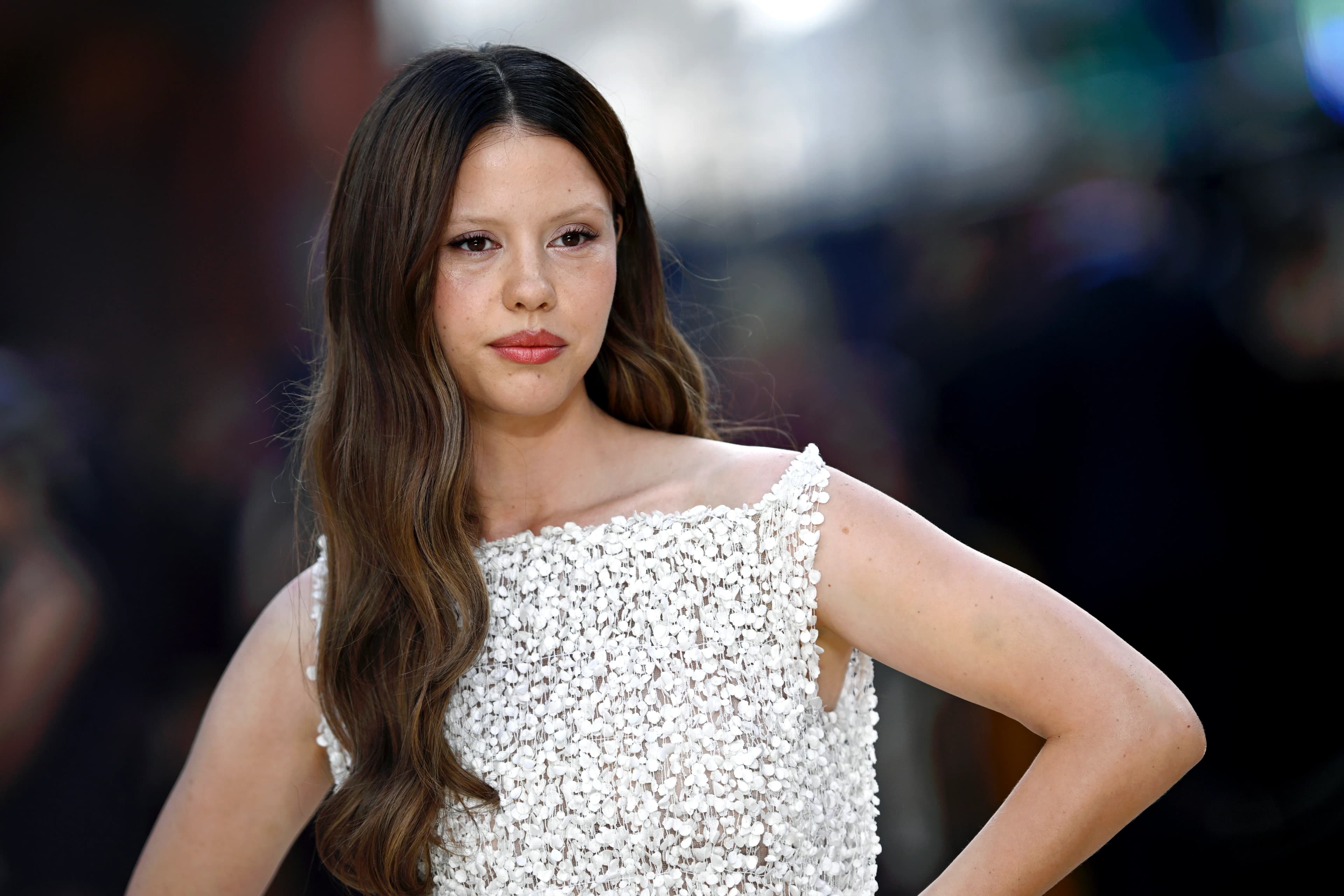
Mia Goth Slams Instagram Over AI-Altered Selfie and Verification
🤖 This content was generated and summarized with AI assistance based on the linked source — it is not a substitute for the original or professional advice.
Key Takeaways
- An AI-altered selfie of actress Mia Goth circulated widely on Instagram following her divorce filing.
- Goth does not have any social media accounts, and the viral post originated from a verified fan account.
- Representatives slammed Meta for granting a blue checkmark and allowing counterfeit media to spread.
- Meta eventually removed the offending account for impersonating a public figure.
The rapid advancement of generative artificial intelligence has brought numerous creative tools to the public, but it has also introduced significant challenges regarding digital authenticity and the protection of personal likeness. Actress Mia Goth recently became the latest high-profile victim of this technological gray area when an AI-altered selfie began spreading rapidly across social media platforms and mainstream news outlets.
The controversy began when an image surfaced on an Instagram account operating under the handle "miagoth_." The photo depicted Goth wearing a provocative t-shirt bearing the phrase "MY EX IS MY BIGGEST FAN." This post emerged mere days after public reports confirmed that Goth had filed for divorce from her husband, Shia LaBeouf, instantly drawing intense media scrutiny and widespread public attention.
However, the entire narrative was built on a complete fabrication. A spokesperson for Goth, Christine Tripicchio, firmly clarified to media outlets that the actress does not maintain any social media accounts whatsoever. Therefore, the viral post could not have originated from her. Despite not having a genuine social media presence, Goth's likeness was manipulated and exploited without her consent, highlighting the vulnerable position public figures occupy in the age of generative media.
Compounding the issue was the fact that the offending account possessed a blue verified checkmark. Traditionally, verification badges on social media platforms serve as a reliable indicator of authenticity, signaling to users that an account genuinely belongs to the public figure it represents. In this instance, the verified status of the fan account created widespread confusion, leading many followers and even professional news organizations to mistake the AI-generated imagery for a real statement from the actress herself.
Goth's legal and public relations team took swift action, filing multiple formal complaints with Instagram regarding the continuous posting of counterfeit, AI-generated images. Tripicchio did not hold back in her public critique, describing the situation as fundamentally disconcerting and questioning the platform's verification criteria. She pointedly remarked that it is incomprehensible for a major tech corporation to prioritize the spread of forged content over safeguarding the integrity and likeness of real individuals.
In response to the mounting pressure and complaints, a Meta spokesperson confirmed that the "miagoth_" account was eventually removed for violating policies against impersonating a public figure. Although the account was technically labeled as a fan page, its large follower count of roughly one million users and the misleading verification badge blurred the lines significantly, deceiving a vast audience.
This incident underscores a broader ongoing debate regarding platform policies on artificial intelligence. Meta currently does not ban AI-generated depictions of real people outright. Instead, the company relies on labeling content that has been modified using artificial intelligence and identifying profiles that utilize AI. Critics argue that these passive labeling measures are entirely insufficient to combat the harms of impersonation, deepfakes, and unauthorized digital manipulation. As generative tools become increasingly accessible and sophisticated, celebrities, public officials, and everyday users alike face growing risks. The Mia Goth controversy serves as a stark reminder that technology platforms must urgently refine their policies, verification standards, and enforcement mechanisms to protect individuals from deceptive synthetic media.
Want to go deeper?
Join an interactive study discussion — ask questions, challenge, and explore.
Recommended for you
Tools and services we trust to boost productivity and content workflows.
Browse picks