
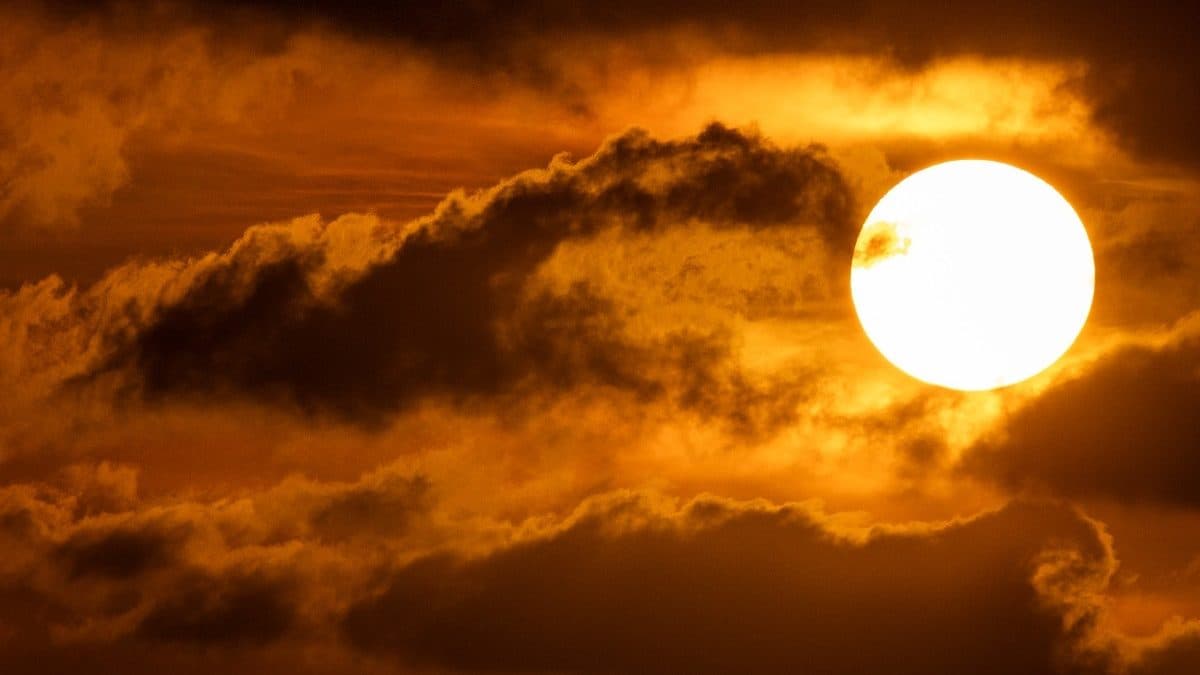
Meteorological Service Warns: Temperatures Approaching 40°C
🤖 This content was generated and summarized with AI assistance based on the linked source — it is not a substitute for the original or professional advice.
Original source:kipa.co.il
Key Takeaways
- Temperatures are expected to approach 40°C over the weekend.
- Strong easterly winds and dry conditions will accompany the heatwave.
- Thursday will bring haze and reduced visibility.
- No rainfall is currently forecasted in the near future.
As the weekend approaches, weather patterns are shifting dramatically, bringing an unseasonable spike in temperatures that will challenge residents across the country. The official Meteorological Service has released stark warnings about a profound atmospheric warming trend. Forecasters predict that thermometer readings will climb aggressively, approaching the notable threshold of 40 degrees Celsius in several areas. This surge in heat is expected to be paired with intense easterly winds, creating a potent combination of high temperatures and arid conditions.
The meteorological shift will not wait for the weekend to make its presence felt. As early as Thursday, atmospheric conditions are projected to deteriorate in terms of visibility, with widespread haze blanketing parts of the region. This dusty haze, driven by regional wind currents, poses potential concerns for motorists and individuals with respiratory sensitivities. The combination of reduced visibility, gusty winds, and dry air necessitates heightened caution for anyone spending extended periods outdoors during these transitional days.
Beyond the immediate heat and haze, the broader context of this weather event points to an ongoing, stubborn dry spell. Current predictive models and long-range forecasts show a complete absence of precipitation in the immediate future. There is simply no rain visible on the horizon, meaning that the parched landscape will continue to endure dry conditions without natural relief. This prolonged lack of moisture compounds the dry weather risks, particularly regarding potential fires and agricultural strains that typically accompany such environmental setups.
Analyzing the broader implications of such meteorological anomalies highlights the vulnerability of regional infrastructure and daily routines to sudden weather shifts. While autumn or transitional seasons frequently bring volatile weather, sudden spikes near 40 degrees combined with strong winds place a heavy burden on power grids, agricultural sectors, and health services. Vulnerable populations, including the elderly and young children, must remain vigilant, staying hydrated and avoiding direct exposure during peak heat hours.
In conclusion, the coming days demand careful preparation and awareness from the public. With the Meteorological Service firmly advising vigilance against the upcoming heatwave, hazy skies, and lack of rain, communities must adapt their schedules accordingly. As the region navigates this intense meteorological phase, keeping informed through official updates remains the best defense against the environmental challenges posed by these extreme conditions.
Want to go deeper?
Join an interactive study discussion — ask questions, challenge, and explore.
Recommended for you
Tools and services we trust to boost productivity and content workflows.
Browse picks