
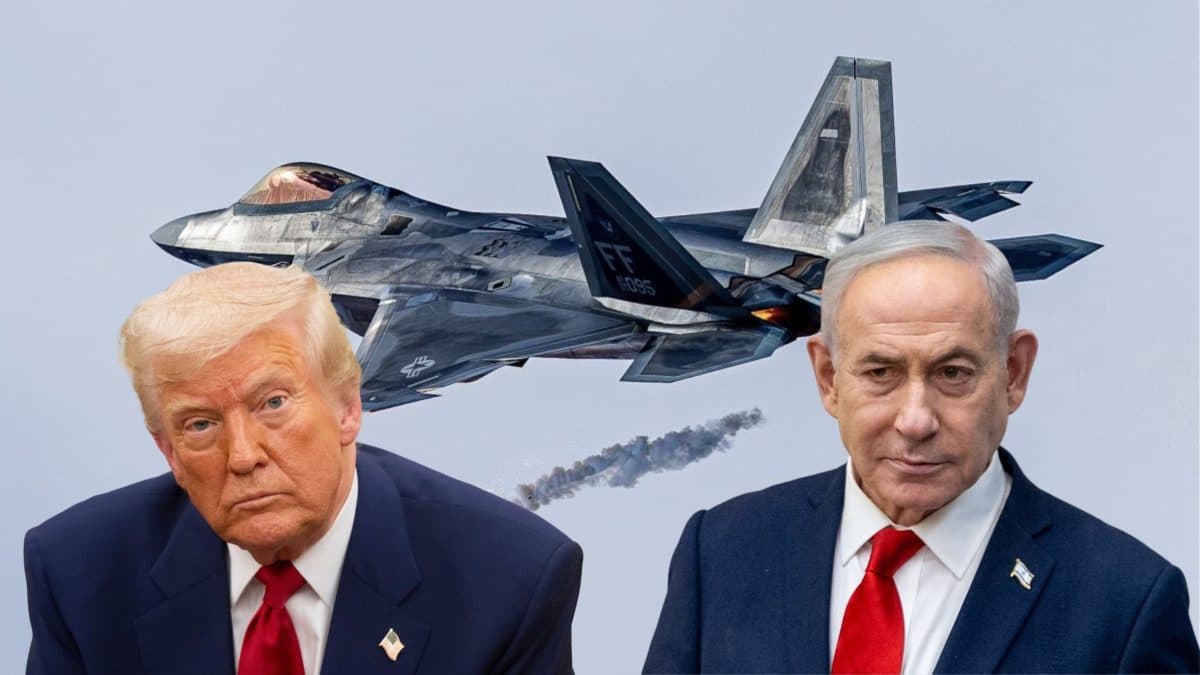
Israel's Planned Mega-Strike on Iran Halted by Trump
🤖 This content was generated and summarized with AI assistance based on the linked source — it is not a substitute for the original or professional advice.
Original source:kipa.co.il
Key Takeaways
- Israel planned an extensive military strike targeting Iranian nuclear sites and infrastructure.
- US President Donald Trump intervened and successfully halted the planned operation.
- Defense officials indicate the offensive could still be executed in the near future.
Recent geopolitical developments have brought to light a major strategic crossroads involving Israel and Iran. According to emerging reports, the military apparatus in Israel formulated an extensive and highly ambitious offensive plan aimed at crippling vital components of the Iranian state. The intended targets reportedly spanned from highly sensitive nuclear research installations to critical power generation stations and essential civil infrastructure networks.
The scope of this planned operation highlights a significant shift in defensive and offensive doctrines, emphasizing deep-strike capabilities to dismantle threats at their core. Such a massive undertaking requires meticulous logistical preparation, intelligence gathering, and operational synchronization across multiple branches of the armed forces. For months, defense planners have weighed the potential ramifications of executing a campaign of this magnitude, balancing the immediate tactical advantages against the inevitable strategic fallout.
However, the execution of this complex military campaign was abruptly intercepted at the highest political level. Reports point directly to the intervention of United States President Donald Trump, whose firm opposition and diplomatic pressure effectively halted the operation in its final stages. The United States maintains a complex balancing act in the region, frequently advising restraint to prevent uncontrollable escalations that could destabilize global markets and draw in broader international coalitions.
Diplomatic channels between Washington and Jerusalem have historically been characterized by close coordination, yet divergences in timing and strategy occasionally surface. While Israeli leadership views the Iranian nuclear program and regional proxies as an existential threat requiring decisive action, American administrations often evaluate situations through the prism of broader global stability and long-term diplomatic objectives. Halting the strike underscores the profound influence that allied superpowers wield over regional military decisions.
Nevertheless, the suspension of the operation does not signify its permanent cancellation. Defense insiders and regional commentators emphasize that the strategic imperatives driving the original plan remain entirely valid from Israel's perspective. As diplomatic efforts face continuous hurdles and regional flashpoints multiply, the possibility of the offensive being greenlit in the near future remains a tangible scenario. Observers will closely monitor upcoming diplomatic engagements and intelligence indicators to gauge whether the threshold for military intervention will be crossed in the coming weeks.
Want to go deeper?
Join an interactive study discussion — ask questions, challenge, and explore.
Recommended for you
Tools and services we trust to boost productivity and content workflows.
Browse picks