
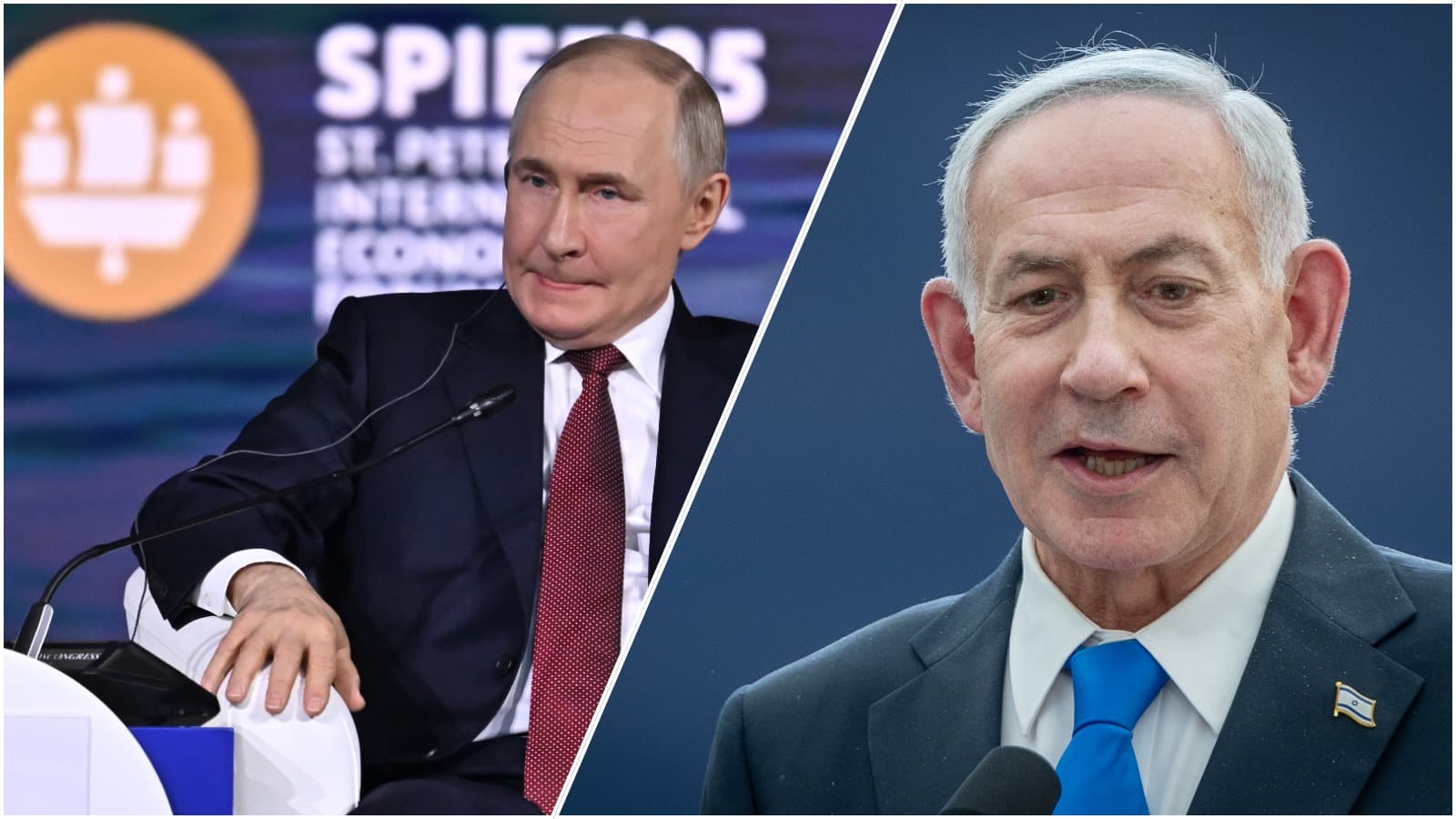
Russia Aligns with Iran Following Netanyahu's Criticism
🤖 This content was generated and summarized with AI assistance based on the linked source — it is not a substitute for the original or professional advice.
Original source:srugim.co.il
Key Takeaways
- Netanyahu accused Russia of supporting Iran during the conflict.
- Moscow responded with a firm rebuttal, aligning closer to Tehran.
- The move signals a major shift in Russia-Israel diplomatic relations.
- The development complicates Israel's security strategy in the region.
The diplomatic landscape in the Middle East has shifted dramatically following a recent press briefing by Israeli Prime Minister Benjamin Netanyahu. During his remarks, Netanyahu explicitly accused Russia of providing material and strategic support to Iran, effectively enabling Tehran’s regional aggression. This public condemnation was not met with silence from the Kremlin, which has now issued a sharp response, signaling a hardening of its position in favor of Iran.
For years, Israel has attempted to maintain a delicate balance in its relationship with Russia, particularly regarding operations in Syria. However, the ongoing regional conflict has strained these ties to a breaking point. Netanyahu’s decision to name Russia as a collaborator with Iran represents a departure from the previous policy of quiet diplomacy, suggesting that Israel no longer sees a path to neutrality from Moscow.
Russia’s response, delivered through official diplomatic channels, was both swift and pointed. By aligning itself more closely with Iran, Moscow is signaling that it views the current regional dynamics through the lens of its own strategic interests, which are increasingly at odds with those of Israel and its Western allies. This move is seen by many experts as a calculated effort by the Kremlin to leverage its partnership with Tehran to counter American influence in the region.
The implications of this alignment are profound. For Israel, it complicates the security situation on its northern border, where Russian presence has historically acted as a constraint on Iranian activity. If Moscow decides to provide more advanced military technology or intelligence to Iranian proxies, the operational challenges for the Israel Defense Forces will increase significantly.
Furthermore, this development highlights the growing divide between the major global powers regarding the Middle East. As the United States continues to support Israel, Russia’s pivot toward Iran suggests that the region is becoming a theater for a broader proxy competition. The diplomatic fallout from these events is likely to persist, as both sides dig in their heels.
In conclusion, the public spat between Netanyahu and the Russian leadership underscores the fragility of international alliances in the current climate. As Russia deepens its ties with Iran, the prospects for a diplomatic resolution to the regional conflict appear increasingly dim. Israel now faces a more complex security environment, requiring a recalibration of its foreign policy to address a Russia that is no longer acting as a neutral arbiter.
Want to go deeper?
Join an interactive study discussion — ask questions, challenge, and explore.
Recommended for you
Tools and services we trust to boost productivity and content workflows.
Browse picks